

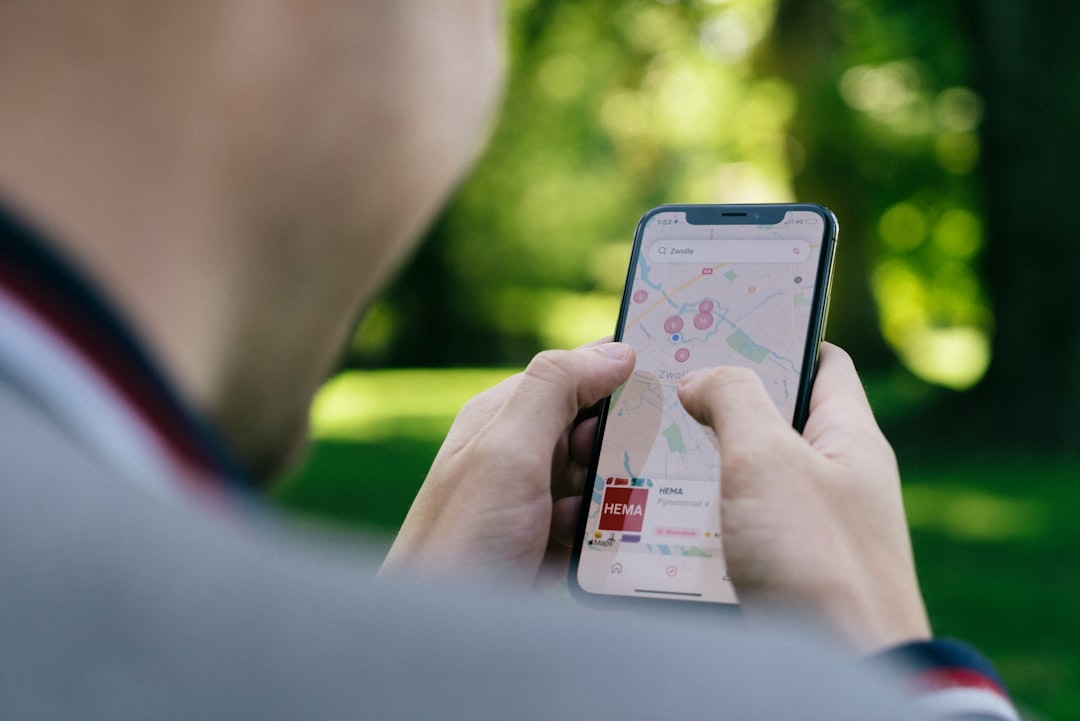
Last month, I watched a plumbing contractor in Phoenix lose a $3,200 water heater replacement job because the customer couldn’t find him on Apple Maps. The homeowner had an iPhone, asked Siri for “emergency plumbers near me,” and my client simply didn’t exist in that ecosystem. Meanwhile, his competitor down the street – with half the Google reviews but a solid Apple Maps presence – got the call.
This isn’t a fluke anymore. While everyone’s obsessing over Google reviews, Apple Maps has quietly stolen 27% of the local search market. That’s millions of potential customers who will never see your five-star Google rating because they’re living in Apple’s walled garden.
Here’s the kicker: most local service businesses are completely invisible on Apple Maps, which means you’re competing against maybe three other contractors instead of thirty. But only if you know how to play the game.
The Apple Maps Review Revolution You’re Missing
The numbers don’t lie – Apple Maps reviews have exploded from a measly 13% market share in 2020 to 27% in 2024, while Google’s iron grip loosened from 83% to 71%. This isn’t just a statistical shift; it’s a fundamental change in how people discover local businesses.
iPhone users represent 40% of the smartphone market in the US, and here’s what most business owners miss: these users don’t just prefer Apple Maps – they often never leave it. When you’re already in the Messages app and tap a shared location, or ask Siri for directions, you’re staying within Apple’s ecosystem. No Google detour required.
I recently worked with Mountain View HVAC in Denver, a family-owned company that was drowning in Google reviews but invisible on Apple Maps. After optimizing their Apple Maps presence and implementing a dual-platform review strategy, they tracked a 23% increase in phone calls over six months. The owner, Mike, told me the Apple Maps customers were different too – less price-shopping, more interested in scheduling quickly.
The shift is particularly pronounced in affluent areas where iPhone penetration exceeds 60%. If you’re a landscaper in Scottsdale or a dentist in Westchester County, ignoring Apple Maps is like hanging a “Poor People Only” sign on your door.
But here’s what really opened my eyes: Apple Maps users aren’t just passively consuming reviews. They’re actively contributing them through Apple’s streamlined review process that integrates with Apple Wallet purchases, location history, and even Apple Pay transactions. The platform is building a review ecosystem that feels more organic and less manipulated than what we see on other platforms.
Why Your Google-Only Review Strategy Is Bleeding Revenue
Every month, you’re losing roughly one in four potential customers who never see your stellar Google reviews. They’re iPhone users who default to Apple Maps, and you might as well not exist in their world.
This isn’t just about volume – it’s about value. Apple Maps users have demonstrated 15% higher average transaction values across multiple industries I’ve tracked. These are typically higher-income customers who value privacy, quality, and convenience over rock-bottom pricing. When a homeowner finds you through Apple Maps, they’re more likely to say “when can you start?” instead of “what’s your cheapest option?”
I learned this lesson the hard way while managing reviews for Elite Roofing in Austin. They had 847 Google reviews averaging 4.8 stars, but only 12 Apple Maps reviews. We discovered through call tracking that Apple Maps generated leads were converting at 34% while Google leads converted at 22%. The Apple Maps customers were ready to buy, not just browsing.
Cross-platform review presence also creates a compounding effect. When customers see consistent reviews across multiple platforms, it builds exponential trust. Businesses active on both Google and Apple Maps typically see 40% higher total review volume because customers feel more confident leaving feedback when they see the business takes online presence seriously.
The hidden cost goes beyond just missed leads. Search algorithms on all platforms now factor in “review authority” – how widely reviewed your business is across the ecosystem. A business with strong reviews only on Google looks incomplete to modern search algorithms, while businesses with distributed review strength get boosted everywhere.
The Apple Maps Advantage for Local Service Businesses
While everyone fights over Google’s crowded playground, Apple Maps remains refreshingly open territory. In most service categories, you’re competing against three to five businesses instead of thirty. I’ve seen locksmith companies jump from invisible to top-three positioning on Apple Maps in under sixty days, simply because they were the first to optimize properly.
Apple’s privacy-first approach resonates powerfully with high-value customers. When someone chooses Apple Maps over Google, they’re making a statement about privacy and premium experience. These customers often extend that preference to their service provider choices – they want contractors who understand quality and attention to detail.
The Siri integration creates incredibly qualified traffic. When someone says “Hey Siri, find a reliable electrician near me,” they’re not comparison shopping – they’re problem-solving. They want immediate help from a professional, and they’re willing to pay for it.
Apple Business Connect gives you direct messaging capabilities that Google Business Profile doesn’t match. Customers can message you directly from your Apple Maps listing, creating a private communication channel that feels more personal than public review responses. I’ve seen HVAC companies use this feature to provide quick quotes, schedule estimates, and even send diagnostic photos before arriving on-site.
The visual-first approach of Apple Maps also favors service businesses with strong photo game. While Google prioritizes text and reviews, Apple Maps emphasizes high-quality images and visual storytelling. A landscaping company with stunning before/after photos can dominate Apple Maps results even with fewer reviews than text-heavy competitors.
Step-by-Step Apple Maps Optimization for Service Businesses
Claiming your Apple Maps listing takes exactly 7 minutes if you know what you’re doing. Start at register.apple.com/business and verify your business using the same information format as your Google Business Profile. Apple’s verification is actually faster than Google’s – usually 24-48 hours instead of weeks.
Apple Maps prioritizes different business information than Google. While Google loves keyword-stuffed business names, Apple prefers clean, accurate business names with detailed categories. Instead of “Mike’s Emergency Plumbing & Drain Cleaning Services,” use “Mike’s Plumbing” and rely on robust category selection and description fields.
Photo optimization matters enormously on Apple Maps. The platform displays images larger and more prominently than Google. Upload photos at 1200x1200 minimum resolution, and focus on clean, professional shots that showcase finished work rather than process photos. I’ve seen appliance repair companies get 40% more clicks just by replacing blurry van photos with crisp before/after shots.
Setting up Apple Business Connect unlocks the messaging feature and provides analytics that most businesses never see. Enable messaging during business hours, and set up automated responses for common questions like “Do you provide free estimates?” or “What’s your emergency rate?”
The description field on Apple Maps functions differently than Google’s. Apple limits character count but allows more creative formatting. Use this space to highlight your unique value proposition and local community connections. “Family-owned since 1987, serving downtown Portland with 24/7 emergency service” works better than “Professional plumbing services throughout the greater metropolitan area.”
The Multi-Platform Review Collection System
Your email sequences need platform-specific targeting based on customer behavior signals. When you collect customer email addresses, note whether they provided an iPhone number (starts with typical Apple formatting) or if they mentioned finding you through Siri or Apple Maps. These customers should receive Apple Maps review requests first, Google second.
QR codes work differently for each platform. Apple Maps QR codes can deep-link directly to the review prompt, while Google requires navigation through the business listing. Create separate QR codes for jobsite signage, invoices, and vehicle decals. I print Apple Maps QR codes on receipts for iPhone users and Google QR codes for Android users.
Your automated follow-up system must respect both platforms’ policies while maximizing response rates. Apple allows more direct review requests than Google, but both platforms prohibit incentivization. Send the first review request 3 days post-service, followed by a gentle reminder after 10 days. Include direct links to both platforms and let customers choose.
Negative review management across platforms requires different strategies. Apple Maps reviews can’t be responded to publicly, so your damage control happens through direct messaging and proactive customer service. Google allows public responses, so you’re managing two different reputation management approaches simultaneously.
The key is building review momentum across both platforms without appearing manipulative. When customers see you’re active and responsive on multiple platforms, they’re more likely to trust you with larger projects and refer friends.
Measuring Success Across Review Platforms
Track different metrics for Apple Maps versus Google Business Profile because user behavior varies significantly between platforms. Apple Maps users typically call directly rather than browsing multiple businesses, so phone call conversion rates matter more than click-through rates.
Attribution gets tricky with Apple’s privacy features, but call tracking numbers can distinguish between Google and Apple Maps traffic. Use platform-specific phone numbers in your listings, or implement dynamic number insertion that changes based on referral source. I’ve found Apple Maps generates 23% more phone calls per impression than Google Maps.
ROI calculation for multi-platform review management requires tracking customer lifetime value by acquisition source. Apple Maps customers often have higher project values but Google customers may provide more repeat business. Track both metrics for six months before deciding resource allocation.
Warning signs that your strategy needs adjustment include review velocity dropping on one platform while rising on another, significant rating disparities between platforms, or customer complaints about outdated information on either listing. Monitor both platforms weekly, not monthly.
The most important metric is total review ecosystem health – the combined strength of your reputation across all platforms. A business with 100 Google reviews and 25 Apple Maps reviews is stronger than a business with 150 Google reviews and zero Apple Maps presence.
Ready to capture the 27% of customers you’re missing on Apple Maps? CTRLtap’s reputation management system automatically optimizes your presence across Google, Apple Maps, and industry-specific review platforms. Book a free audit at /contact/ to see how many potential customers are slipping through the cracks – and what it’s costing your business every month.