

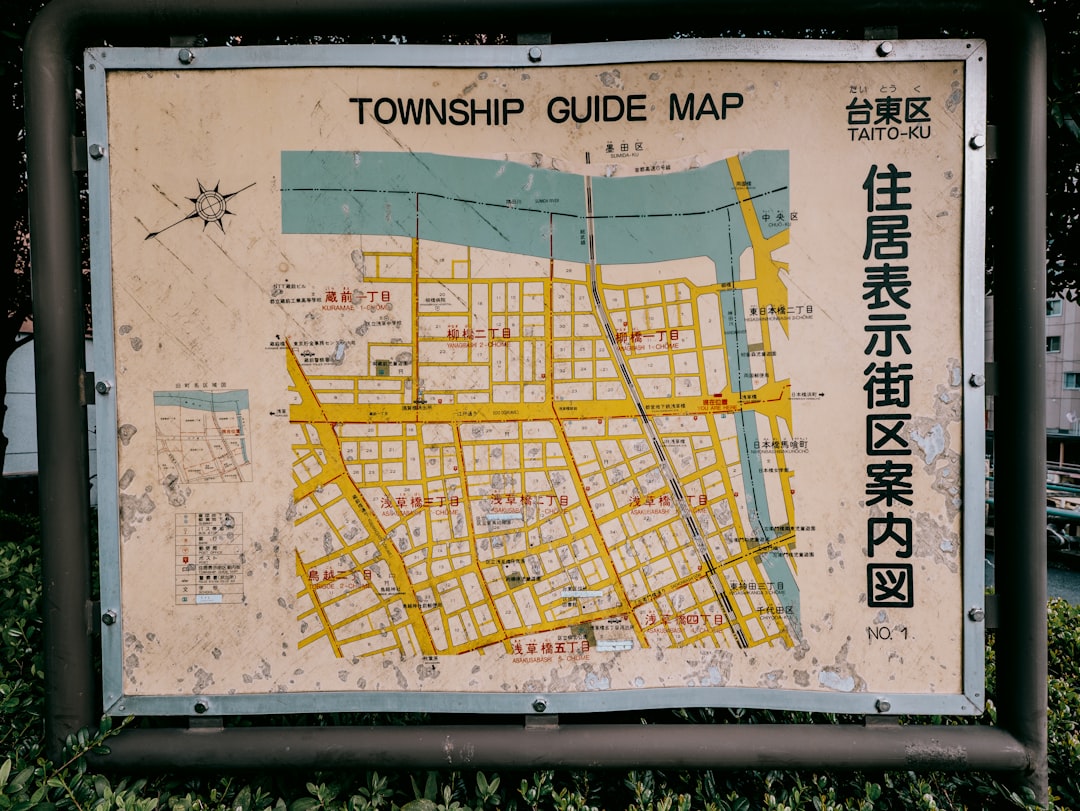
You’ve probably noticed it—your “Areas Served” page lists 47 zip codes, you show up in the Local Pack for your city, but when someone searches for your service in the neighborhood three miles away, a competitor with half your reviews ranks above you. That’s not a coincidence. That’s Google telling you that vague service area claims don’t carry the weight they used to.
I’ve audited hundreds of service business websites, and I see the same mistake repeatedly: businesses treat their service area pages like a checkbox. They throw up a map, paste in some zip codes, maybe add a generic paragraph about “proudly serving the greater metro area,” and call it done. Meanwhile, Google’s algorithm has evolved. It’s no longer asking “where do you claim to work?” It’s asking “where have you actually done work, and can you prove it with specificity?”
This shift matters because hyper-local SEO signals—the specific, neighborhood-level indicators that Google uses to rank businesses—now carry more weight than they did even two years ago. If you’re not speaking Google’s language on a neighborhood level, you’re losing visibility to competitors who are.
The Death of Generic Service Area Lists
Here’s what’s happening: Google’s 2026 algorithm update emphasizes proximity and hyper-local context in ways that make zip code lists almost worthless. When someone in Northeast Denver searches for “emergency plumber,” Google isn’t just checking if you serve Denver. It’s checking if you have genuine connections to Northeast Denver specifically. That’s a meaningful difference.
The shift from “where you work” to “proof you were there” changed everything. A roofer I worked with had their main office in Midtown but did most of their work in suburban subdivisions 15 minutes away. Their website listed both areas equally, but Google’s algorithm deprioritized them for searches in the suburbs because there was no evidence of localized authority. No mention of the specific schools in that district, no reviews mentioning the neighborhood by name, no content showing they understood the local building codes or the type of homes in that area.
Vague service pages are actually diluting your main office’s authority. When you spread yourself thin across too many neighborhoods without meaningful local signals in each one, you’re essentially competing against yourself with weaker versions of your own business. You’re telling Google “we work everywhere equally” when the algorithm is designed to reward businesses that say “we know Northeast Denver’s Victorian homes inside and out.”
The Power of Hyper-Local Signal Anchors
Landmark signals are the specific, place-based details that Google Maps and the search algorithm use to confirm geographic relevance. These aren’t just street names—they’re the landmarks, neighborhoods, institutions, and local features that prove you understand a specific area deeply enough to serve it effectively.
Think about how people actually search for services. Someone in a specific neighborhood doesn’t just search “plumber near me”—they’re likely thinking about their area in terms of neighborhoods, landmarks, or cross-streets. They might mentally categorize their location as “near the farmer’s market district” or “south of the park” or “by Lincoln High School.” When your website uses this same language with specificity, Google recognizes it as a hyper-local signal that you’re legitimately part of that community.
Here’s the practical application: mention local parks, school districts, and historic districts in your neighborhood content. A landscaper serving five different residential areas should have a page for each one that mentions the parks where residents walk their dogs, the schools that feed into that district, and any distinctive architectural or environmental features of that neighborhood. Not in a forced way—woven naturally into descriptions of work you’ve done and services you provide.
When you mention “we’ve worked with homeowners throughout the Laurel Heights district, near Golden Gate Park,” you’re using three hyper-local signals at once: the specific neighborhood name, a major landmark (Golden Gate Park), and geographic proximity. Google’s algorithm picks up on this pattern. It says “this business knows this area.”
Using specific neighborhood vernacular matters too. Every neighborhood has its own language. People in Brooklyn don’t call it the same thing as people in Manhattan. Neighborhoods have colloquial names, historical names, and names used by residents that might differ from official city designations. When your content reflects the actual language locals use, it signals that you’re embedded in that community. You’re not a national chain parachuting in—you’re someone who knows the area well enough to talk about it like someone who lives there.
The 3-Part Framework for a High-Ranking Neighborhood Page
Building neighborhood pages that actually rank requires more than just adding geographic keywords. You need a framework that creates multiple signals of legitimacy and local knowledge simultaneously.
Part 1: The Project Map
The most effective neighborhood pages include a section showing recent work you’ve completed in that specific area. This should be automated if possible—pulling from your CRM or job management software to display recent projects by neighborhood. If you complete five roofing jobs in the Piedmont neighborhood this month, those should appear on your Piedmont page automatically.
The key here is authenticity and recency. If your “recent work” section shows jobs from six months ago, it loses power. You want Google (and visitors) to see that you’re actively working in this neighborhood right now. Some of our clients integrate their Jobber or Housecall Pro data via API to pull this automatically. Others manually update a simple database each week. Either way, the result is the same: proof of consistent, recent activity in that specific area.
This also creates useful content for visitors. Someone considering hiring you can see that you’ve recently completed work three blocks away, which reduces their risk perception and increases conversion probability.
Part 2: The Local Context
Your neighborhood pages need to demonstrate that you understand the specific market dynamics, building characteristics, and customer base of that area. This is where generic content falls apart. A plumber serving both a wealthy hilltop neighborhood and a working-class neighborhood six miles away shouldn’t use the same page content for both. The homes are different, the plumbing systems are different, the typical job sizes are different.
Demonstrate this understanding by referencing local context. Mention the types of homes in the neighborhood (1920s Victorian, mid-century modern, new construction, etc.), the typical plumbing issues you encounter there, and local resources you work with. “Many of the homes we service in this neighborhood were built in the 1970s with original copper piping, and we’re experienced in identifying and planning for potential upgrades” tells Google and customers that you know this specific area.
Cross-streets matter too. Instead of just saying “we serve the downtown area,” reference actual geographic markers: “We service the area bounded by Main Street to the west and the river to the east.” This creates mental geography that Google’s algorithm recognizes as hyper-local specificity.
Part 3: The Hyper-Local Review
Most businesses passively collect reviews without guiding customers toward mentioning their neighborhood. That’s a missed opportunity for hyper-local signals. When a customer leaves a review on Google that says “Great service, very professional,” that helps your overall rating. When they say “Great service fixing our roof in the Westlake Hills neighborhood, very professional,” that’s a hyper-local signal that Google prioritizes in that neighborhood’s search results.
Create a gentle nudging system. After completing work, when you’re asking customers to leave a review, include a note in your follow-up email: “If you’d like to mention your neighborhood or cross-streets in your review, it really helps other homeowners in your area find us.” Don’t demand it—just make it clear it’s helpful. Some customers will include it naturally; others won’t. That’s fine. The cumulative effect of multiple reviews mentioning specific neighborhoods is what matters.
Better yet, use review management software that allows you to customize review request templates by service area. Different neighborhoods get slightly different requests that naturally encourage mentioning their specific location.
Automating Hyper-Local Content Without AI ‘Fluff’
The mistake most businesses make when they try to scale neighborhood pages is either abandoning them as “too much work” or filling them with obvious AI-generated fluff that Google penalizes. You need a middle path: genuine automation that pulls real data without sacrificing authenticity.
Use your CRM as the backbone. If you use Jobber, Housecall Pro, ServiceTitan, or similar tools, you’re already tracking project data by location. Set up monthly or weekly automated reports by neighborhood that show what you’ve completed where. Use this data to populate “Recent Work” sections automatically. This isn’t AI generating fake content—it’s your actual business activity becoming visible content.
The balance between AI efficiency and authentic local knowledge is crucial for E-E-A-T (Experience, Expertise, Authoritativeness, Trustworthiness). AI can help you structure content and ensure consistency, but it shouldn’t generate neighborhood-specific claims you can’t back up. Have an actual team member or business owner review and personalize the neighborhood content. They should add specific details about that area they know firsthand, not generated by an algorithm.
I see too many service businesses fall into the “over-optimization” trap. They stuff pages with keywords, use the same paragraph structure for every neighborhood, and create thin content that’s technically optimized but useless for actual customers. Google’s 2026 algorithm penalizes this. Content has to be helpful for humans first. It has to answer real questions that someone searching for your service in that neighborhood would ask.
The danger of over-optimization isn’t theoretical. It directly impacts rankings. A HVAC company I worked with created 50 neighborhood pages with automated, repetitive content—same layout, same structure, just swapped the neighborhood name. Their search visibility dropped by 30% within three months. The pages looked optimized, but they weren’t genuinely useful. We rebuilt them with real local knowledge, specific details about homes in each area, and actual project information. Rankings recovered within six weeks.
Measuring the Impact: Proximity vs. Rank
You need specific metrics to know if your hyper-local strategy is actually working. This isn’t about vanity metrics—it’s about tracking whether you’re shrinking the distance between your business and where customers are searching.
Start with Local Pack placement. Track your ranking position in the 3-pack (the three local businesses that appear at the top of Google Maps results) for 10-15 specific neighborhoods you serve. Use a tool like Google Search Console, Semrush, or BrightLocal to monitor this monthly. You’re looking for movement toward position #1 in neighborhoods where you’ve increased hyper-local signals.
More importantly, track lead source data. Are you getting more qualified leads from specific neighborhoods? A roofing company client increased leads from a particular residential development by 40% after implementing hyper-local targeting. How’d they do it? They created specific content for that development, mentioning the architectural style of homes there, common roofing issues for that era, and started asking customers to mention the development name in reviews. Within three months, they were ranking #1 for “roofer in [development name],” and that specific neighborhood became their highest-volume lead source.
The real metric is proximity-based conversion. Are customers in that neighborhood calling you first, or are they still calling three other businesses? Track the geographic source of your phone calls and estimates. If 50% of your calls come from within a two-mile radius of your office but only 10% of your estimated service area is within that radius, you have a proximity problem. Hyper-local SEO signals should help shrink that gap.
Set up conversion tracking by neighborhood if you can. Use unique phone numbers for different neighborhoods, or UTM parameters on your neighborhood pages to track which geographic areas are actually converting into customers. This tells you which neighborhoods need more hyper-local work and which are responding well to your current approach.
Your “Areas Served” page is probably not failing because you’re not serving enough areas. It’s failing because you’re not giving Google enough hyper-local signals to believe you’re genuinely embedded in the neighborhoods you claim to serve. Generic zip code lists and vague service claims don’t work anymore. Specificity, proof, and authentic local knowledge do.
The businesses winning in local search right now are the ones using hyper-local landmark signals—specific references to neighborhoods, schools, parks, and local features that prove they know their service areas deeply. Combined with real project data, neighborhood-specific content, and review signals that mention actual locations, this creates a system that Google’s algorithm recognizes and rewards.
Ready to stop being invisible in the neighborhoods that matter most? Book a growth audit with CTRLtap and let’s build your hyper-local SEO system. We’ll analyze which neighborhoods you’re losing visibility in and show you exactly how to fix it.